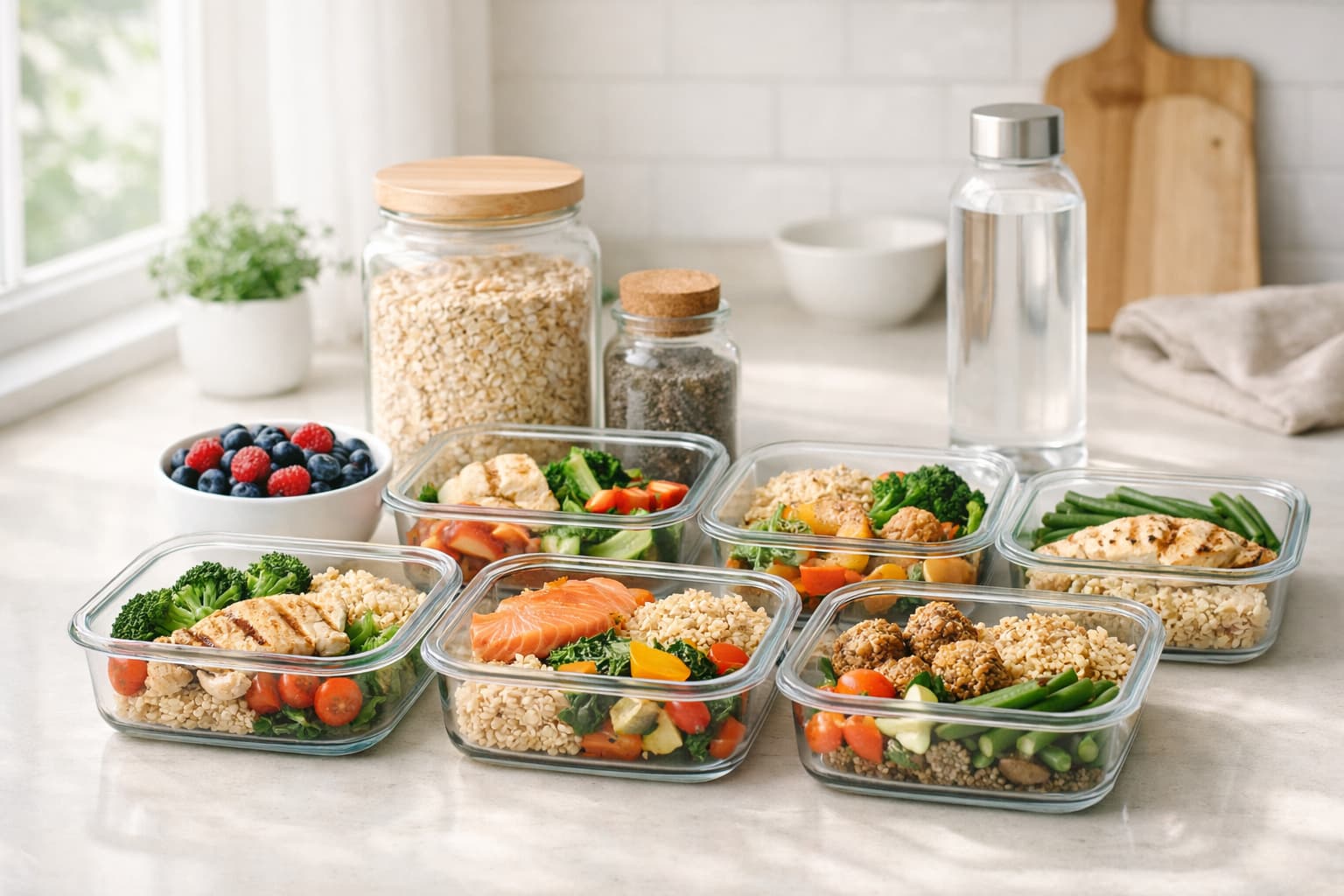
Demystifying Rapid Weight Loss: A Safe and Effective Kickstart
The phrase "rapid weight loss" often conjures images of extreme deprivation and unsustainable diets. While it's true that crash diets can be detrimental, the concept of a focused, short-term plan designed for quick, healthy results isn't entirely misguided. In fact, a carefully constructed weight loss meal plan rapid treats - Article 1 can serve as an excellent kickstart, offering both immediate progress and motivation for long-term success. The key, as with any health endeavor, lies in approaching it correctly, prioritizing nutrient density and overall well-being over mere calorie restriction.
Our goal isn't just to help you shed pounds quickly, but to do so safely, ensuring your body receives essential vitamins and minerals. Think of a 10-day rapid weight loss plan not as a magic bullet, but as a concentrated effort to reset your eating habits, reduce initial water weight, and ignite your metabolism. This intensive period can be incredibly empowering, showing you what your body is capable of when fueled with the right "rapid treats" – delicious, wholesome foods that support your goals.
Setting Smart Goals and Expecting Real Results
When embarking on a rapid weight loss journey, setting realistic expectations is paramount. While some initial losses might seem significant, especially due to water weight reduction, the healthiest and most sustainable rate of fat loss is typically 1-2 pounds per week. Over a 10-day period, this translates to a healthy loss of up to 4 pounds. However, it's not uncommon to lose a little more in the very beginning, particularly if your body is holding onto excess water or you're transitioning from a less healthy diet. This initial drop can be a huge psychological boost, fueling your determination for the days and weeks to come.
The true value of a focused 10-day weight loss meal plan rapid treats - Article 3 lies beyond the numbers on the scale. It's about:
- Building Momentum: Quick results can be incredibly motivating, encouraging you to stick with healthier habits.
- Establishing New Routines: This short, intense period helps break old patterns and establish new, healthier eating and lifestyle habits.
- Understanding Your Body: You'll become more attuned to hunger cues, satiety, and how different foods affect your energy levels.
Remember, this rapid phase is a launchpad for lasting change, not the entire journey. Focus on the positive shifts in energy, digestion, and overall well-being as much as, or even more than, the weight itself.
Crafting Your Rapid Weight Loss Meal Plan: Essential Guidelines
A successful weight loss meal plan for rapid treats hinges on a few core principles: mindful calorie intake, smart food choices, adequate hydration, and consistent activity.
Calorie Intake Recommendations
A good starting point for calorie intake on a rapid weight loss plan is often around 1,500 calories per day for women, but this is a general guideline, not a strict rule. Your individual needs will vary based on your age, current weight, metabolism, and activity level. If you're incorporating regular exercise like yoga, Pilates, brisk walking, or other forms of physical activity, your body will require more fuel. Listen closely to your body:
- If you consistently feel excessively hungry, weak, or lightheaded, it's a clear signal that you might need to increase your calorie intake slightly.
- The goal is to create a moderate calorie deficit that promotes weight loss without compromising your energy or nutritional needs.
This plan aims to help you feel good and develop a sustainable, healthy relationship with food, rather than fostering deprivation.
Foods to Include and Avoid for Your Weight Loss Meal Plan Rapid Treats
The concept of "rapid treats" isn't about indulging in unhealthy snacks; it's about making healthy eating so delicious and satisfying that it feels like a treat. This means saying goodbye to the "see-food" mentality where everything edible is fair game.
Foods to Embrace:
- Abundant Vegetables: Load up on non-starchy vegetables like leafy greens (kale, spinach), broccoli, bell peppers, zucchini, cucumber, and carrots. They are nutrient-dense, high in fiber, and low in calories, keeping you full and satisfied.
- Lean Proteins: Essential for muscle maintenance and satiety. Opt for skinless chicken breast, turkey, fish (salmon, cod), eggs, tofu, tempeh, and legumes (lentils, beans).
- Whole Grains (in moderation): Choose complex carbohydrates like quinoa, oats, brown rice, or whole-wheat bread. These provide sustained energy and fiber.
- Healthy Fats (sparingly): Include small amounts of avocado, nuts, seeds, and olive oil. These are crucial for nutrient absorption and satiety but are calorie-dense, so portion control is key.
- Fruits (natural rapid treats): Berries, apples, bananas (in moderation), and oranges are packed with vitamins, antioxidants, and natural sweetness, making them perfect healthy "rapid treats" for cravings.
Foods to Avoid (or severely limit):
- Sugary Drinks: Sodas, sweetened teas, and fruit juices (even 100% juice) are liquid calories with little nutritional value and can spike blood sugar.
- Processed & Junk Foods: Chips, cookies, pastries, and fast food are typically high in unhealthy fats, sugar, and empty calories that don't fill you up.
- Excessive Saturated & Trans Fats: Found in many fried foods, processed snacks, and fatty cuts of meat.
- Refined Grains: White bread, white pasta, and sugary cereals offer little fiber or nutritional benefit.
Healthy eating doesn't have to be complicated. Focus on whole, unprocessed foods, and you'll find it much easier to stick to your rapid weight loss meal plan.
Importance of Hydration and Exercise
Hydration: Water is your best friend on any weight loss journey, especially a rapid one. Staying well-hydrated helps your metabolism function optimally, aids in detoxification, can suppress appetite (often, thirst is mistaken for hunger), and helps maintain energy levels. Aim for at least 8 glasses of water daily, and consider herbal teas as a comforting, calorie-free beverage.
Exercise: Physical activity is crucial for creating a calorie deficit, which is fundamental to weight loss. Burning more calories than you consume forces your body to tap into stored fat for energy. Beyond calorie burning, exercise:
- Builds muscle, which boosts your resting metabolism (meaning you burn more calories even at rest).
- Improves mood and reduces stress, which can prevent emotional eating.
- Enhances cardiovascular health and overall fitness.
Even short bursts of activity, like a brisk 30-minute walk or a bodyweight workout, can make a significant difference over 10 days.
A Glimpse into Your 10-Day Rapid Treat Journey
While a full 10-day meal plan would be extensive, let's illustrate how a day might look, focusing on nutrient-rich, satisfying "rapid treats."
Day 1: Low-Calorie Detox & Nutrient Boost
- Breakfast (Approx. 250 calories): Kale Smoothie. Blend fresh kale, half a banana, and unsweetened almond milk. This powerful blend is rich in vitamins, fiber, and provides sustained energy. An alternative could be a Spinach and Pineapple Smoothie (approx. 200 calories) for a sweeter start.
- Snack (Optional, Approx. 100 calories): A handful of mixed berries or a small apple.
- Lunch (Approx. 350 calories): Hearty Veggie Soup. A broth-based soup packed with carrots, celery, tomatoes, zucchini, and lean protein like a small amount of shredded chicken or lentils. The high water and fiber content will keep you feeling full.
- Snack (Optional, Approx. 80 calories): A few carrot sticks with a tablespoon of hummus.
- Dinner (Approx. 450 calories): Baked Salmon with Steamed Asparagus and Quinoa. A lean protein source like salmon provides healthy omega-3s, paired with fiber-rich asparagus and a small portion of whole-grain quinoa for complex carbohydrates.
This structure emphasizes whole foods, controlled portions, and nutrient density, making each meal a "rapid treat" for your body.
Sustaining Success Beyond the Initial Boost
The 10-day rapid weight loss meal plan is a powerful beginning, a springboard into a healthier lifestyle. The initial weight loss and feeling of increased energy are fantastic motivators, but the real victory lies in what you do *after* the 10 days. Use this period to:
- Identify What Works: Which "rapid treats" did you enjoy most? What meal structures felt sustainable?
- Build Habits: Continue the momentum with daily hydration, regular movement, and consistent meal timings.
- Mindful Eating: Carry forward the practice of listening to your body's hunger and fullness cues.
- Gradual Reintroduction: Slowly reintroduce a wider variety of healthy foods, continuing to prioritize whole, unprocessed options.
Embrace the lessons learned during this intensive phase and integrate them into your daily life. This focused approach to a weight loss meal plan, filled with "rapid treats" that nourish and satisfy, can truly transform your journey towards a healthier, happier you.
